
T-Shirt Manufacturer in Bangladesh for United Kingdom Buyers
Built for the way Britain buys knitwear
T-shirt manufacturer in Bangladesh for UK buyers is the plain description of this page: what British importers, brands and retail chains order from us, how sizing and labelling are prepared for UK retail, and how cartons travel to your forwarder. The buyers who stay with us do so because the standard holds: the sample approved at the start of a programme is the sample every later delivery is measured against.
Every garment is made to order, and made to your level: your quality, your fabric, your design and your measurement. There is no catalogue to pick from and nothing waiting on a shelf; your specification is the product. The markets we serve are gathered on the import t-shirts from Bangladesh hub page, and this page covers the British side of that trade in detail.
The styles UK programmes reorder
British programmes are built on core styles that repeat. Blank t-shirts in cotton jersey anchor the wall, taken plain for domestic printing or ready for retail. Polo shirts in piqué cover uniform and leisure lines from the same factory programme, and hoodies and sweatshirts in brushed fleece carry the autumn and winter drops. Printed and embroidered styles are sampled on the production cloth, so the decoration you approve is the decoration that ships.
A custom t-shirt manufacturer for uk buyers earns the reorder on the unglamorous details: shade continuity between lots, a collar that keeps its shape, cartons that match the packing list. Those are the points our checking is built around, and they are why a first order so often becomes a standing programme, with sizes and colours refreshed each season rather than a new negotiation each time.
UK sizing, graded from your chart
UK retail works to its own size expectations, and the grade is where they are met. Sizes are worked from your own measurement chart, with chest, body length, sleeve and shoulder set at sampling, and the pre-production sample is measured point by point against your figures before the pattern is locked. Longer body lengths are graded in where your market wears the garment tucked or layered, and the approved chart is held on file so a repeat order is cut to the same figures.
Size markings follow the format your label carries, and where a range spans men’s, women’s and kids’ styles, each keeps its own approved chart rather than inheriting another’s grading. The result your customer notices is simple: the medium they bought last season is the medium that arrives this season.
Fibre and care labelling for UK shelves
British retail labelling is exact, and it is prepared at sampling rather than corrected at the warehouse. Fibre content and care wording are printed to the text your compliance side supplies, fitted during production, and checked against the approved sample before bulk. Your woven label is sewn in during sewing, swing tickets and pack headers are finished at our end, and barcodes are placed where your systems expect them.
An apparel factory bangladesh for UK retailers has to treat labelling as part of the garment, not paperwork after it: a mislabelled carton costs more goodwill than a late one. So the label layout is approved with the sample, held with the programme record, and audited again at packing before the cartons are sealed.
Retail presentation is finished at the same time. Garments are folded to your rail or pack format, hang tags are attached where your range uses them, and price and barcode stickers are placed to your template so the garment your customer picks up is the garment your system expects. Where a style runs in a multipack, the pack header carries your artwork and the size is marked where a shopper reads it first. None of this is left to the warehouse at your end: the presentation is sampled with the garment, approved with the garment, and checked again at final inspection before the cartons close.
Sampling first, then bulk against the sample
The route into production is deliberately unhurried at the one stage where hurry costs money. Send an enquiry with the styles, fabric, sizes and colours you have in mind; the sales team quotes on that specification; a pre-production sample is made in your fabric with your label fitted and sent for approval; bulk is booked only against the sealed sample. Each stage is described on our how to order page.
First-order questions, on what a tech pack should carry, how packing formats work and what happens if a colour changes mid-programme, are collected on the FAQs page. One sales contact follows the order on a single email thread from enquiry to shipment documents, so nothing is handed over and lost between departments.
Cartons packed by size, routed the usual way
Packing is set by your instruction: folded singly in a polybag with your barcode or size sticker, bundled by size for a central warehouse, or split by store so each branch receives its own allocation without sorting. Cartons are marked with style, colour and size breakdown, and the contents are matched to the packing list before sealing.
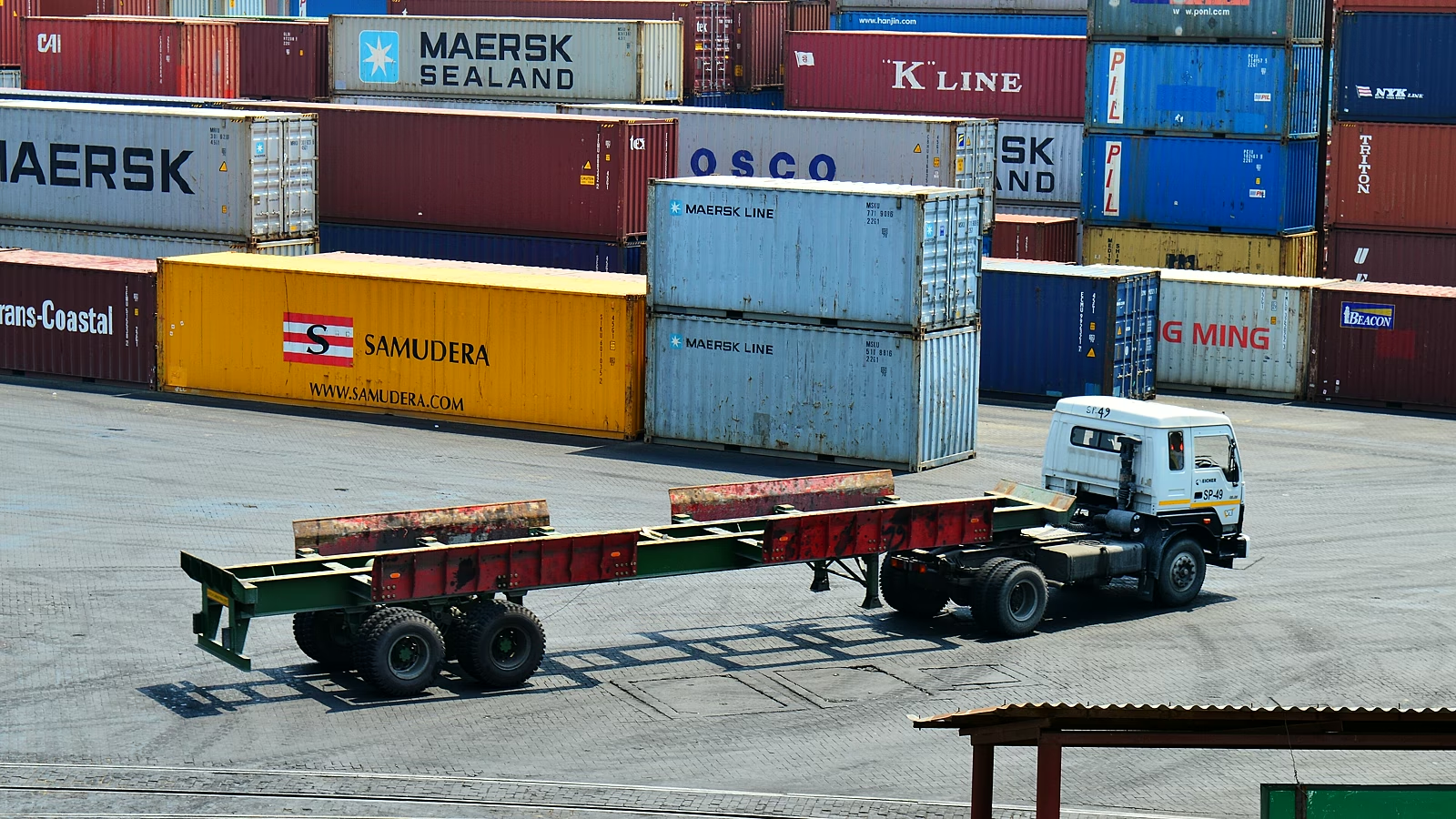
Sea freight into Felixstowe and London Gateway is the usual route for British programmes, arranged through your forwarder or consolidator. Much of the bangladesh t shirts wholesale uk trade moves on replenishment cycles, so our side of the route is readiness: cartons and handover documents prepared together, against the approved standard, for your agent to collect. The sailing schedule belongs to your forwarder; the standard inside the cartons belongs to us.
Questions from UK buyers
What British buyers ask before a first order, answered plainly.
Can the sizing follow our own size chart?
Yes. The grade is worked from your measurement chart, the pre-production sample is measured against it point by point, and the approved figures are held on file so repeat orders are cut to the same chart.
Can fibre and care labels be prepared for UK retail?
Yes. Send the wording your compliance side approves; it is printed exactly as supplied, fitted during production and checked against the approved sample, so cartons arrive ready for your warehouse and your stores.
Which ports do UK shipments usually arrive through?
Felixstowe and London Gateway are the usual route for sea freight from Bangladesh, arranged through your own forwarder. We prepare the cartons and the handover documents; your agent manages the sailing and the arrival.
Do you work with smaller UK brands as well as chains?
Yes. The route is identical: specify the garment, approve the sample, and bulk follows it. Smaller brands usually run fewer colours in greater depth per style; chains spread core colours across a wider size run.