
Import T-Shirts from Bangladesh to Denmark
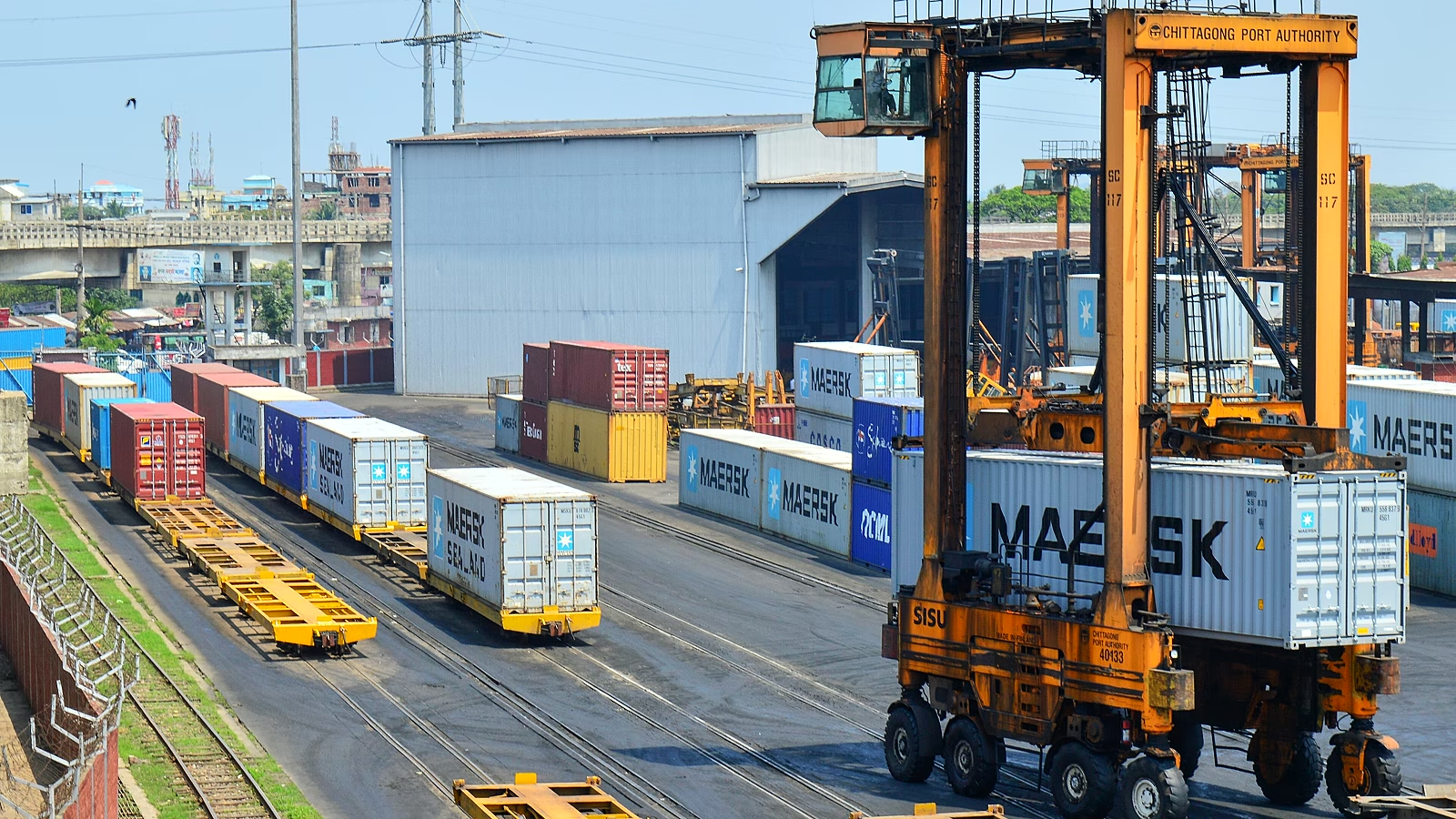
Danish orders, made on a Bangladesh factory floor
Import t-shirts from Bangladesh to Denmark with a factory that sews every order to your own size chart, fabric and label, and the arrangement settles into a routine: one specification, one approved sample, and cartons that arrive as the packing list describes them. Siatex Bangladesh Limited has made knitwear in Bangladesh since 1987, working directly with Danish brands, importers and boutiques, with no agent or trading company in between. This page explains how the Denmark route works in practice, and it sits inside our wider guide to importing t-shirts from Bangladesh, which covers the general route for every market we serve.
Nothing here is an off-the-shelf offer. Every style is made to order against your specification, sampled in your fabric and colours, and checked against the sealed sample before the cartons close. Danish buyers are exact about fit and finish, and they stay with a garment factory Bangladesh shipping to Denmark only while the tenth delivery matches the first.
Basics and fashion knitwear in one programme
The core of the Denmark trade is knitwear that repeats: blank t-shirts for printers and retail basics, polo shirts for uniform and leisure programmes, and hoodies and sweatshirts for the colder half of the year. Alongside those sit long sleeve t-shirts, kids and baby styles, underwear and nightwear, all made in the same factory to the same discipline: fabric rested before cutting, measurements taken from your chart, and your woven label fitted during production.
Weights and cloth are set by your specification, not by our preference. Cotton single jersey for tees, piqué for polos, brushed fleece for hoodies, interlock for baby garments: each is knitted or sourced to the weight you set, dyed to your colour standard, and checked lot by lot so a repeat order sits beside the earlier delivery without a visible step in shade or fit. Boutique programmes often run narrower size sets in more colourways; basics programmes run the reverse.
Sampling first, bulk only after approval
The route is the same for a first order and a long-running programme, and our how to order page sets it out in full. You send the style, fabric, size chart, colours and packing you want; the sales team quotes on that exact specification; a pre-production sample is made in your fabric with your label fitted and sent for your approval; and bulk production is booked only against the sample you have sealed. This is the role of a Bangladesh apparel exporter Denmark brands and boutiques rely on when a style has to repeat exactly, season after season, without the fit drifting between deliveries.
Every order is made to your level: your quality, your fabric, your design and your measurement. If a measurement or a colour has to change, it is changed on the sample and resubmitted before bulk, never adjusted quietly on the production line. The approved sample is then held as the standard for the order, and every later stage is checked back against it.
Scandinavian fits graded from your figures
Danish size sets run to Scandinavian proportions, with longer body and sleeve lengths than a standard continental grading gives. We grade from your own measurement chart rather than adapting someone else’s: chest, body length, sleeve length and shoulder width are taken from your figures at sampling, the pre-production sample is measured point by point against the chart before it leaves us, and any point outside your tolerance is corrected and resubmitted.
That discipline matters most on repeats. The chart agreed at the first order is the chart held on file for the programme, so a size M in the tenth delivery measures the same as a size M in the first, and your warehouse books the goods in against the same specification every time. Buyers who run their own incoming inspection will find our figures and theirs agree, because both are taken from the same sealed sample.
Danish-language labels fitted in production
Care and fibre content labels for the Danish market are produced in Danish, in your layout, and sewn in during production. The wording is set at sampling, taken from the text your side supplies, so the garment you approve already carries the correct label and nothing has to be relabelled at your warehouse. Your woven brand label is fitted at the neck in the same pass, and size markings follow the same approved format across the whole order.
Packing presentation is finished at our end as well: hang tags, polybag stickers and carton marks are applied to your instruction, so the goods can move straight from the carton to the rail or the shelf at your side.
Cartons routed through Aarhus and Copenhagen
Finished garments are packed to your instruction: folded singly in polybags with your barcode or size sticker, bundled by size for central distribution, or split by store or depot so each destination receives its own sizes without sorting. We prepare the handover documents with your agent or consolidator, and cartons are marked with style, colour and size breakdown so the packing list and the goods agree. Programmes built around custom t-shirts for Danish brands often split one production run across several stores, and the carton marks are set at packing so each store’s allocation travels together.
The usual route for sea freight into Denmark is through Aarhus and Copenhagen, the ports Danish importers generally nominate through their forwarders. We describe it in general terms only: your forwarder books the sailing, we hand over cartons and documents against that booking, and the goods clear into your distribution network under your agent’s arrangements.
What Danish buyers ask before ordering
What Danish brands, importers and boutiques most often want to know before the first order.
Can care and fibre labels be printed in Danish?
Yes. Care and fibre content wording is produced in Danish from the text your side supplies, in your layout, and sewn in during production. The label is settled at sampling, so the sample you approve carries the same label as the bulk, and no relabelling is needed when the goods reach your warehouse.
Can we approve a sample before bulk production?
Yes, and bulk is never booked without it. A pre-production sample is made in your fabric, colours and sizes with your label fitted, measured against your chart and sent for your approval. Changes are made and resubmitted at this stage, and the sample you seal becomes the standard the whole order is checked against.
Which ports do shipments for Denmark usually come through?
The usual route is by sea into Aarhus or Copenhagen, nominated by your forwarder. We prepare the cartons and the handover documents against your booking, and your agent handles the arrival side. We do not promise delivery dates; the schedule sits with the sailing your forwarder books.
How are sizes and measurements agreed?
From your own measurement chart, graded to Scandinavian proportions. You send the chart with your enquiry, the sample is measured point by point against it, and the approved chart is held on file for the programme, so repeat orders grade from the same figures and a size measures the same in every delivery.