
Who is the largest garment manufacturer in Bangladesh?
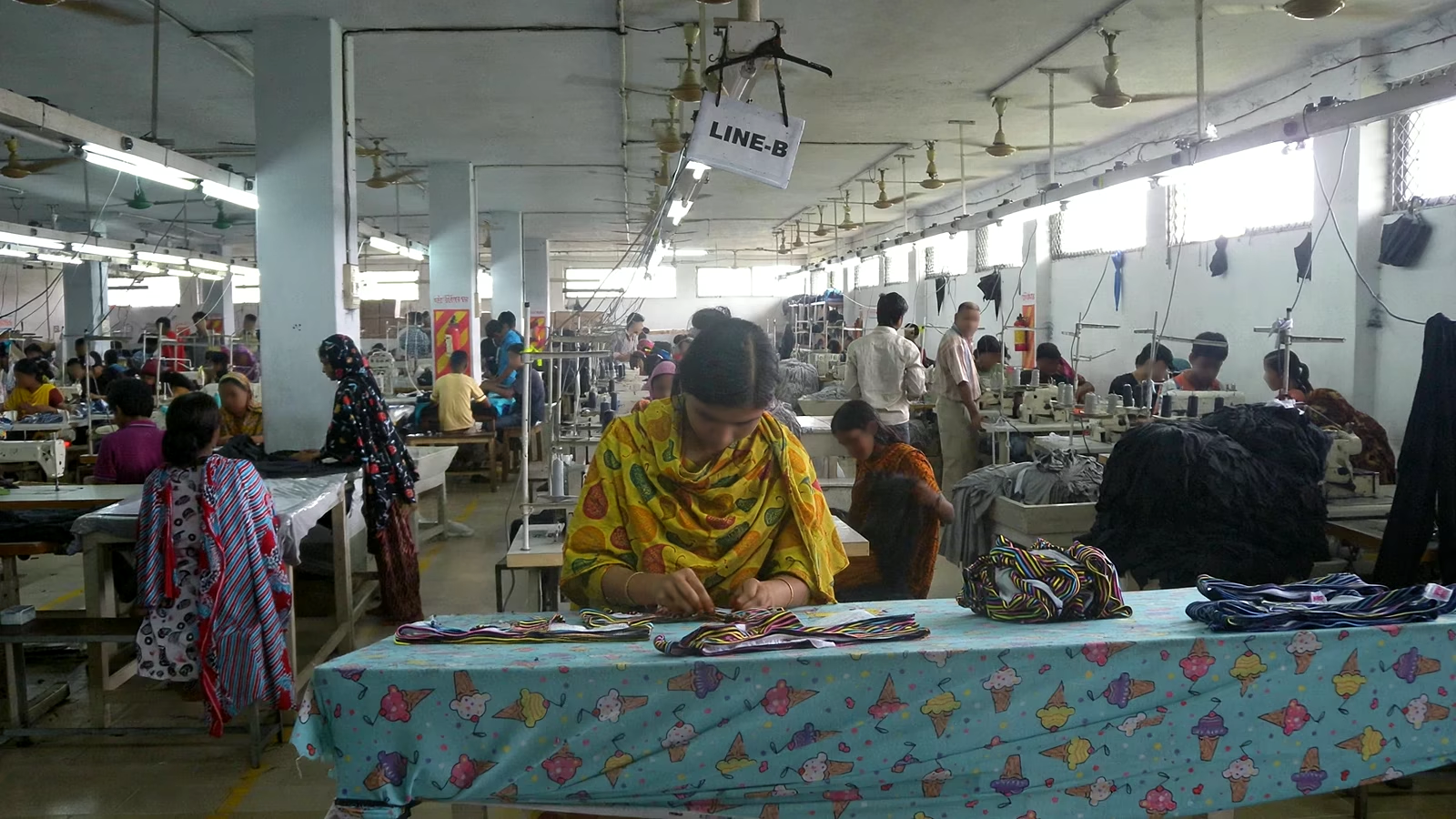
The short answer: largest depends on what you measure
Ask who the largest garment manufacturer in Bangladesh is, and the honest answer is that three different measures give three different names. Counted by export value, the name given most often is Ha-Meem Group. Counted by the latest full-year export list, Youngone Corporation stood at the top in the 2023-24 fiscal year. Counted by workforce, Noman Group has reported figures no other local group has matched. All three answers are correct, because each one measures something different.
Bangladesh holds its place as the world’s second-largest apparel exporter with roughly four thousand garment factories, so no single group dominates the total. The giants below are real, but they share the country’s output with thousands of mid-size and specialist factories, and a buyer’s best partner is seldom decided by size alone.
The leading groups, measure by measure
Rankings of the top garment exporters Bangladesh produces change with every fiscal year, and the figures quoted for each group come from different years, so treat this as a guide to who leads on each measure, not a fixed scoreboard.
- Ha-Meem Group is the name most often given as the country’s largest garment group: around 26 factories and 50,000 workers, roughly seven million pieces a month, with its strength in woven bottoms, denim and shirts for American high-street chains.
- Youngone Corporation, Korean-owned, topped the garment export list in 2023-24. Its Bangladesh plants concentrate on outdoor, performance and technical apparel rather than everyday knitwear.
- Noman Group was the first Bangladeshi company to pass one billion dollars of garment exports in a year, and has reported a workforce of around 70,000 across textiles and garments.
- DBL Group is the leader most relevant to knitwear buyers: a vertically integrated knit specialist with its own spinning, dyeing and finishing, exporting to global sports and high-street brands.
- Beximco and Square sit just behind on most lists, both diversified groups whose garment divisions are large by any country’s standard.
Notice what the list shows: the very top is held by groups, each running dozens of factories under one name. A single factory building, however large, is a different thing from a group, and comparisons that mix the two mislead buyers.
Why buyers rarely need the biggest garment factory in Bangladesh
The biggest groups run million-piece programmes for global chains, planned seasons ahead. A mid-size order placed into that system waits behind those programmes at every stage: sampling, fabric booking, line allocation and finishing. The buyer also deals with a department, not with the people running the floor, so a small change in a measurement or a label can take days to travel.
Size says nothing about specialisation either. The largest names built their scale mainly on woven clothing: trousers, denim and shirts. Knitwear is a different craft, with its own machines, fabric behaviour and quality faults, and the factories that lead in knitwear are mostly specialists rather than giants. A buyer of t-shirts or fleece gains little from a factory whose lines are set for five-pocket jeans.
What decides whether an order succeeds is more ordinary: the right specialisation for the product, honest capacity for the quantity ordered, direct communication with the merchandiser handling the order, and compliance documents a buyer can verify. Those four things exist at several sizes of factory, and they are what an experienced buyer checks first.
Where a knitwear specialist fits: Siatex since 1987
Siatex Bangladesh Limited is not the largest garment manufacturer in the country, and this page would lose its point if it pretended otherwise. Siatex is a knitwear specialist that has made clothing to order since 1987, with a capacity of 900,000 pieces per month across t-shirts, polo shirts, hoodies, sweatshirts, fleece, pyjamas and underwear. Buyers who work with a specialist of this size speak to the people running their order, and a 3,000-piece programme is a real order here, not a rounding error. Our garment factory page shows the production floor and the ranges made on it.
The compliance side is documented rather than promised: the factory works to BSCI, Sedex, ISO and OEKO-TEX standards, set out on our certifications page. Every order is made to your level: your quality, your fabric, your design and your measurement, for brands, importers and wholesalers in the USA, the UK, Germany, Canada and Australia. Buyers comparing factory sizes while planning an order can follow the full route on our page about importing t-shirts from Bangladesh.
Largest garment manufacturer in Bangladesh: buyer questions
Who is the largest clothing manufacturer in Bangladesh?
Ha-Meem Group is the name most sources give: the largest clothing manufacturer Bangladesh has, a Bangladeshi-owned group leading on factories, workers and monthly output. Youngone Corporation, which is Korean-owned, has topped the export value list in a recent fiscal year, so the answer shifts with the measure and the year.
Why do different lists name different factories as the largest?
Because the lists measure different things in different years. One counts a whole group’s exports, another counts a single factory, a third counts workers. Export rankings also move every fiscal year as orders shift between groups, so a list from two years ago may already be out of date.
Is the biggest factory the right choice for a small or mid-size brand?
Usually not. The biggest groups plan their lines around very large programmes, and a smaller order competes for attention at every stage. A specialist factory takes orders from 800 pieces per colour, with a minimum of 3,000 pieces per order, and gives that order a named merchandiser and a direct line to the floor.
What should a buyer check instead of factory size?
Check specialisation first, then verified compliance, then the sampling process, then how quality is controlled during production. Our quality control page shows the checking stages an order passes through, which tells a buyer more than any workforce figure.