
Garment Factory in Bangladesh
Knitwear ranges made under one roof
Garment factory in Bangladesh — those words describe what Siatex Bangladesh Limited has done since 1987: making knitwear to order for buyers who need their own styles, fabrics and labels. The factory works across the full knitwear wardrobe, from everyday basics to seasonal fashion pieces, and every order begins with the buyer’s own specification.
The core ranges are t-shirts in crew neck, V-neck, long sleeve and heavyweight styles, polo shirts, hoodies and sweatshirts, and printed and embroidered tops for promotion and retail. Alongside them sit tank tops and vests, sports and training wear, kids’ and baby clothing, pyjama sets and nightdresses, leggings and joggers, underwear basics and workwear. Each range is cut from patterns graded to the buyer’s own size chart.
Because everything is made to order, the buyer chooses the fabric, the colour, the print or embroidery, the label and the packing. A first order starts with samples made exactly as the bulk would be made, so what the buyer approves is what the buyer receives.
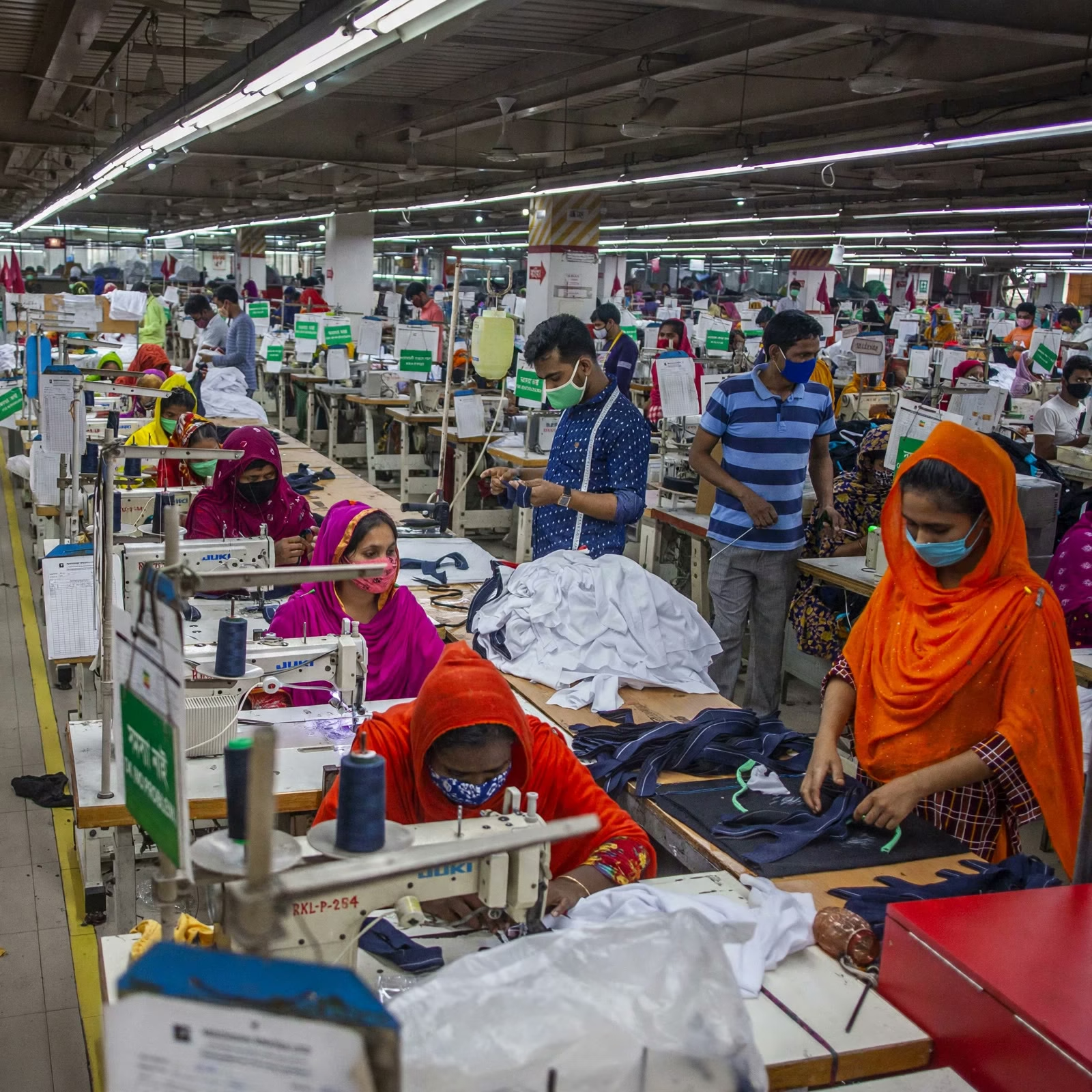
How the factory floor is organised
A knitwear order passes through a clear chain of departments:
- Sampling: the first sample made from your specification
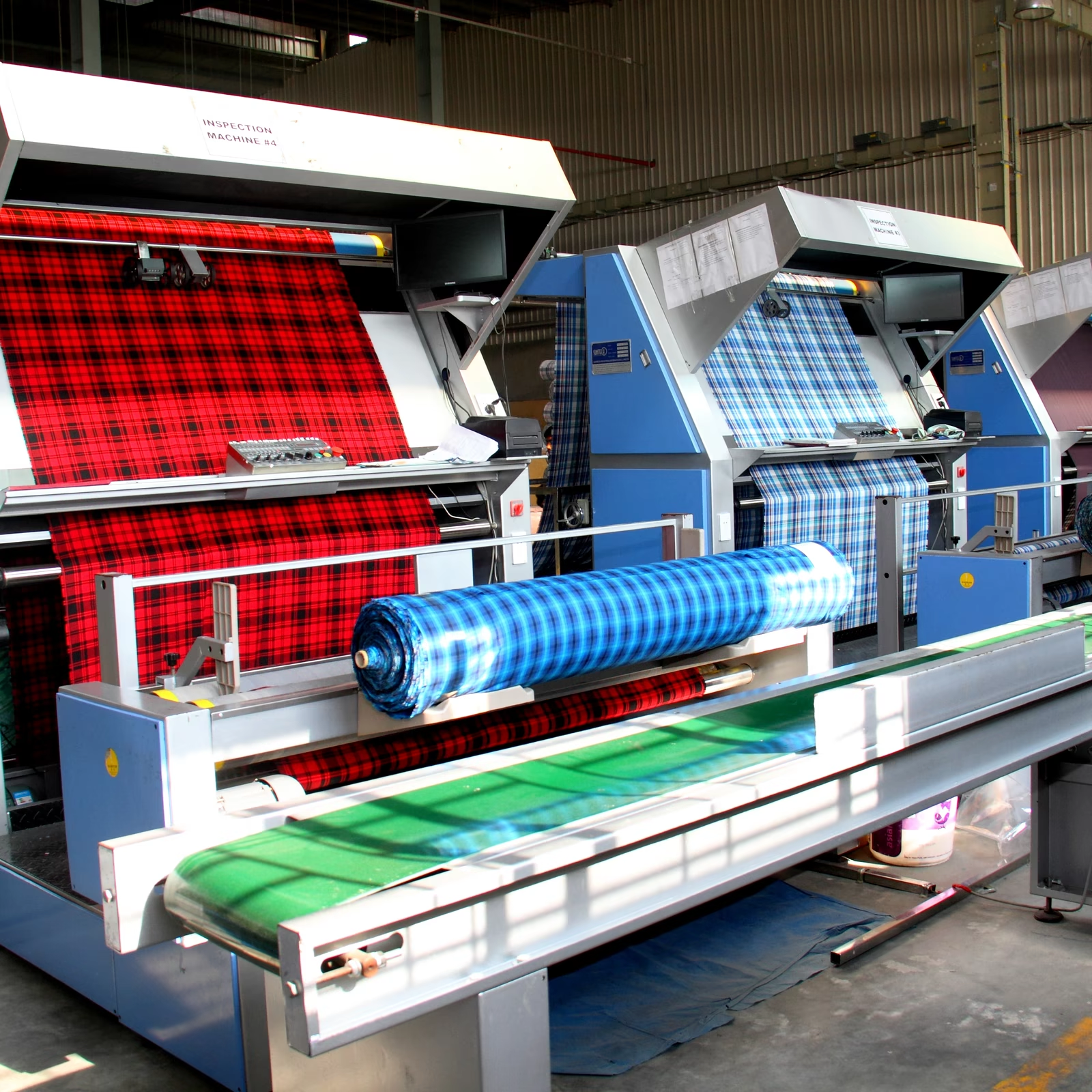
- Fabric inspection: every roll checked before it is passed to cutting
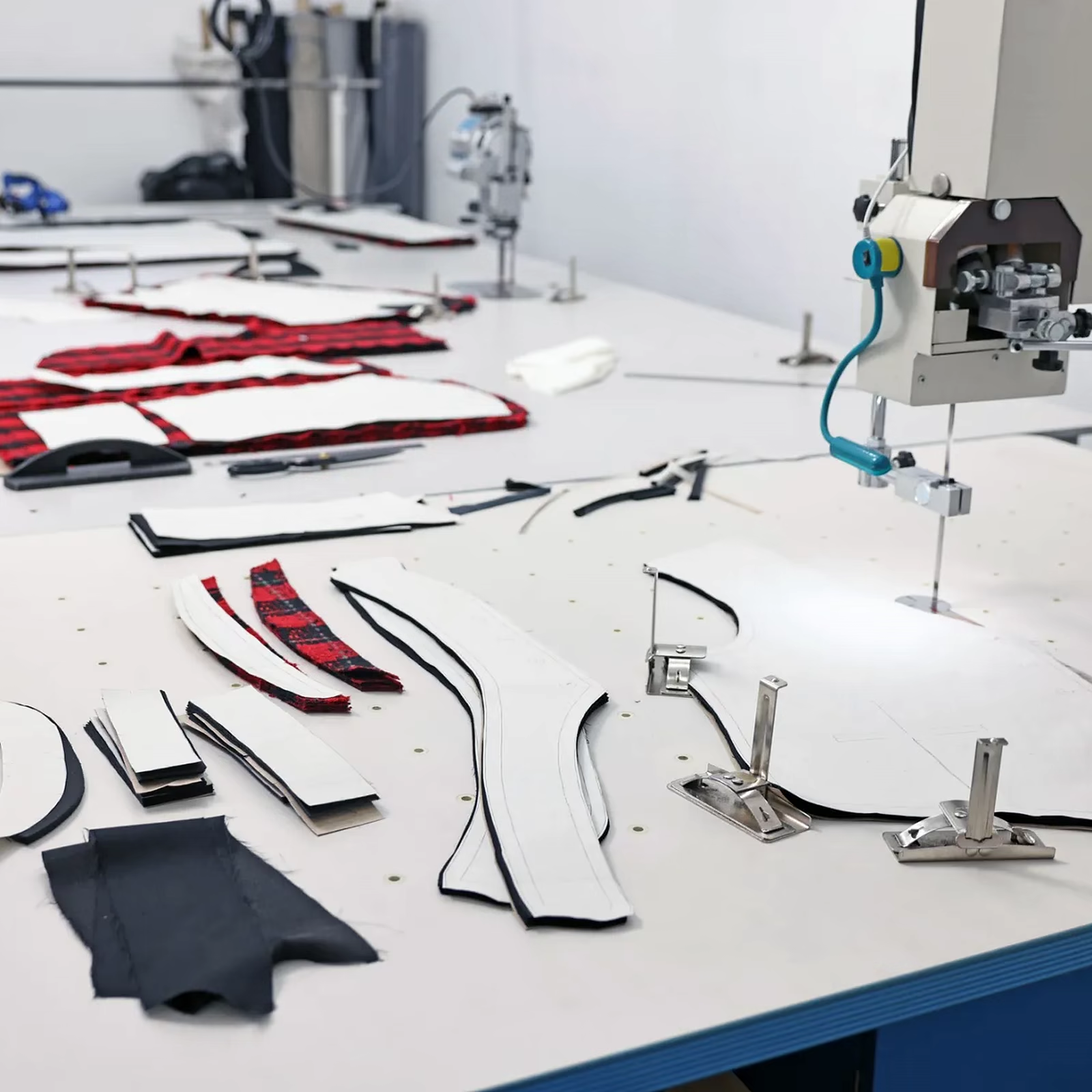
- Cutting: panels cut size by size to the approved pattern
- Sewing: seams worked in sequence on the line
- Finishing: trimmed, pressed, labelled and folded
- Quality control: measured and inspected against your chart
- Packing: cartons marked with style, colour and size breakdown
The routine never changes, even though the garments do, and that steadiness keeps quality even from the first carton to the last. You can follow each stage in our garment production process, which sets out what happens from the first enquiry onwards.
Buyers who need a knitwear factory Bangladesh can depend on for repeat programmes usually look for exactly this kind of organisation: one team holding the pattern, the fabric decision and the finishing standard together, instead of passing the order between workshops. Communication stays with the factory’s own sales and merchandising team, who follow the order through every department.
Compared with a general clothing factory in Bangladesh, a specialist knitwear maker works with stretch fabrics every day. Jersey, piqué, fleece, rib and interlock all behave differently under the needle, and machinists who handle nothing else learn how each cloth moves and recovers. That familiarity shows in the fit of the finished garment.
Capacity that carries large programmes
Scale matters when an order is a programme rather than a single delivery. The numbers behind a programme:
- 900,000 pieces per month of export capacity
- One item in depth, or mixed items shared within a single programme
- Minimum order 3,000 pieces, from 800 pieces per colour
- Repeat orders scheduled against capacity held for the programme
A buyer building a season around one core style, and a buyer running a dozen styles side by side, are both working inside the same monthly volume.
For the buyer, that scale changes what can be planned with confidence. Repeat orders are scheduled against capacity held for the programme, seasonal ranges are produced in step with the selling calendar, and quantities are settled with the merchandising team before production begins, so each delivery leaves on the plan the buyer approved. It is the capacity of a large manufacturer, organised so that a growing range does not have to change hands as it grows.
Fabric, sampling and the approvals that matter
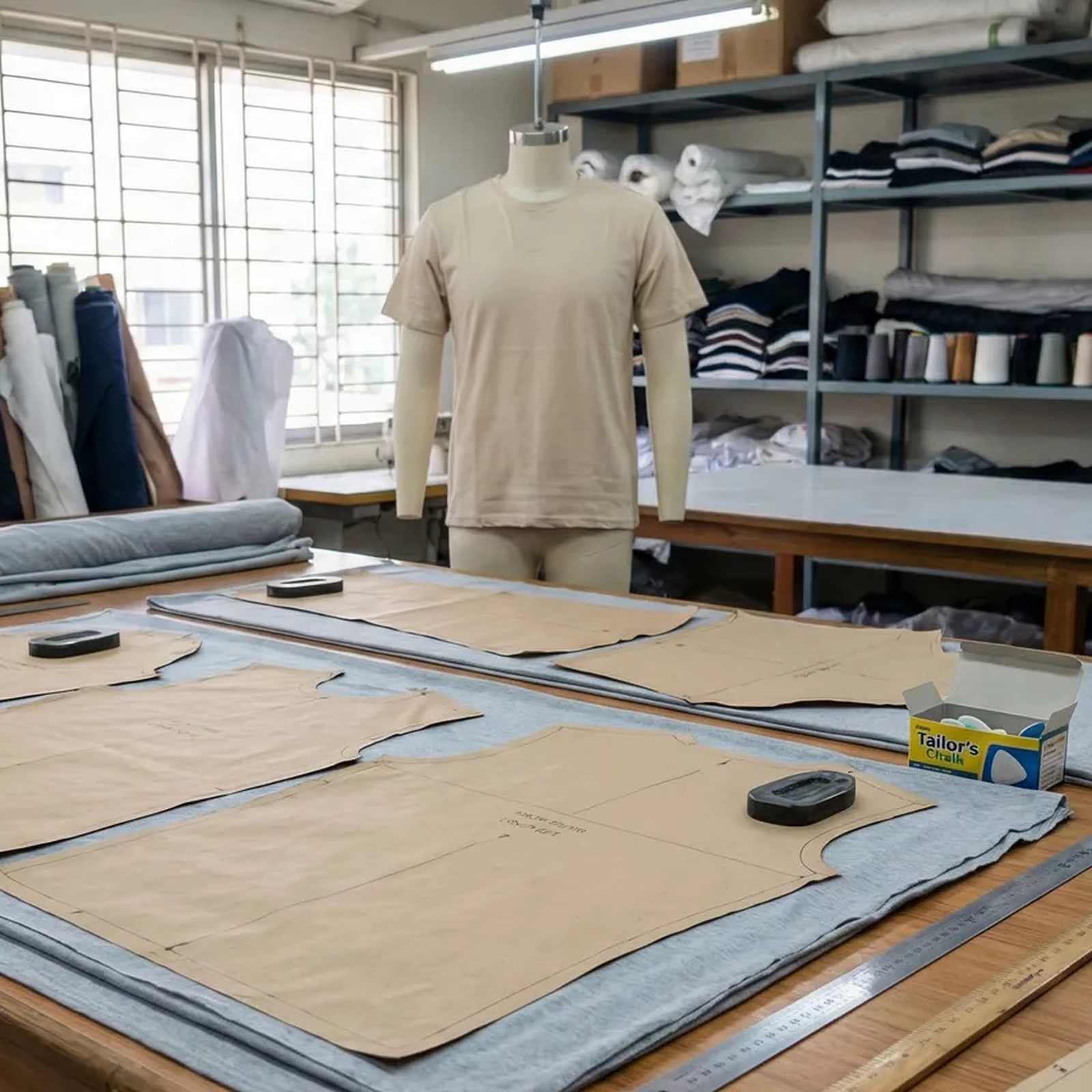
Every order starts on paper. The buyer sends a tech pack, a sample garment or clear measurements and photographs, and the sampling team turns it into a pattern and a first sample. Fabric is chosen at the same stage: cotton, cotton blends, polyester performance cloth or fleece, in the weight the buyer specifies, dyed to the buyer’s colour standard.
Samples are not decoration. The buyer checks fit, hand feel, colour, stitching and artwork placement, asks for changes, and only when the sample is approved does bulk production begin. Lab dips, print strike-offs and embroidery sew-outs are approved the same way, one element at a time, so there are no surprises in the finished cartons.
The same team is known as a t-shirt factory Bangladesh buyers come to for plain, printed and embroidered styles alike, and the same sampling discipline applies to a basic crew neck and a fashion piece alike. The approved sample stays with the production team as the reference for the whole order.
Cutting, sewing, finishing and checked packing
Once fabric and sample are approved, cutting begins. Cloth is relaxed, spread and cut to the approved pattern, each size marked and bundled so pieces cannot be mixed between sizes or shades. Sewing follows the specification seam by seam: collar setting, shoulder taping, side seams, hems and cuffs are worked in sequence, and supervisors check garments as they come off the line, not at the end.
Finishing is where a garment becomes a product. Loose threads are trimmed, garments are pressed, labels and hang tags are attached as the buyer directs, and each piece is folded and packed to the buyer’s instruction. Our quality control team measures finished garments against the buyer’s size chart and inspects stitching, colour and packing before any carton is sealed.
Cartons are marked with style, colour, size breakdown and destination exactly as the buyer asks, and a final check compares packed quantities against the order sheet, so paperwork and cartons agree.
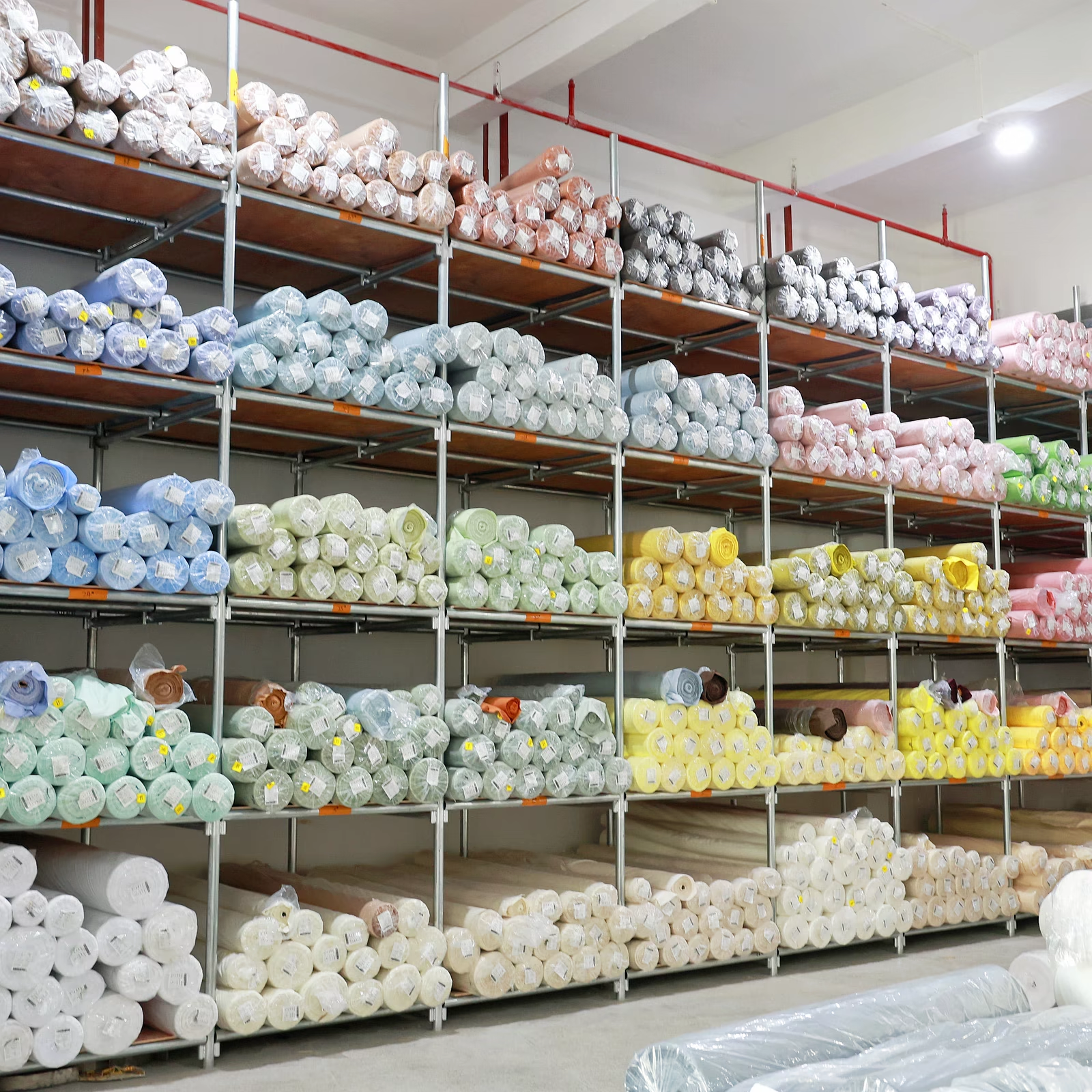
Inside the factory
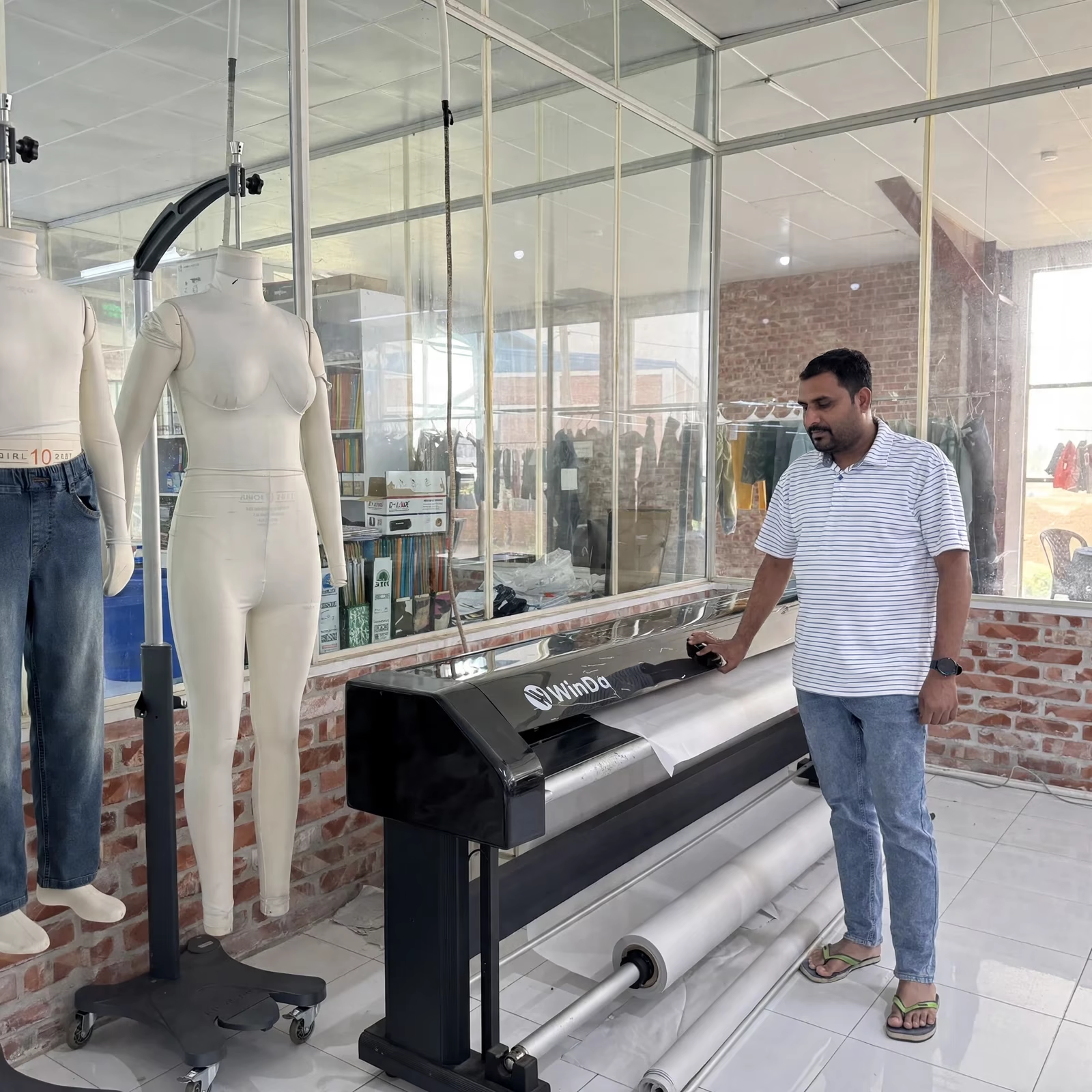
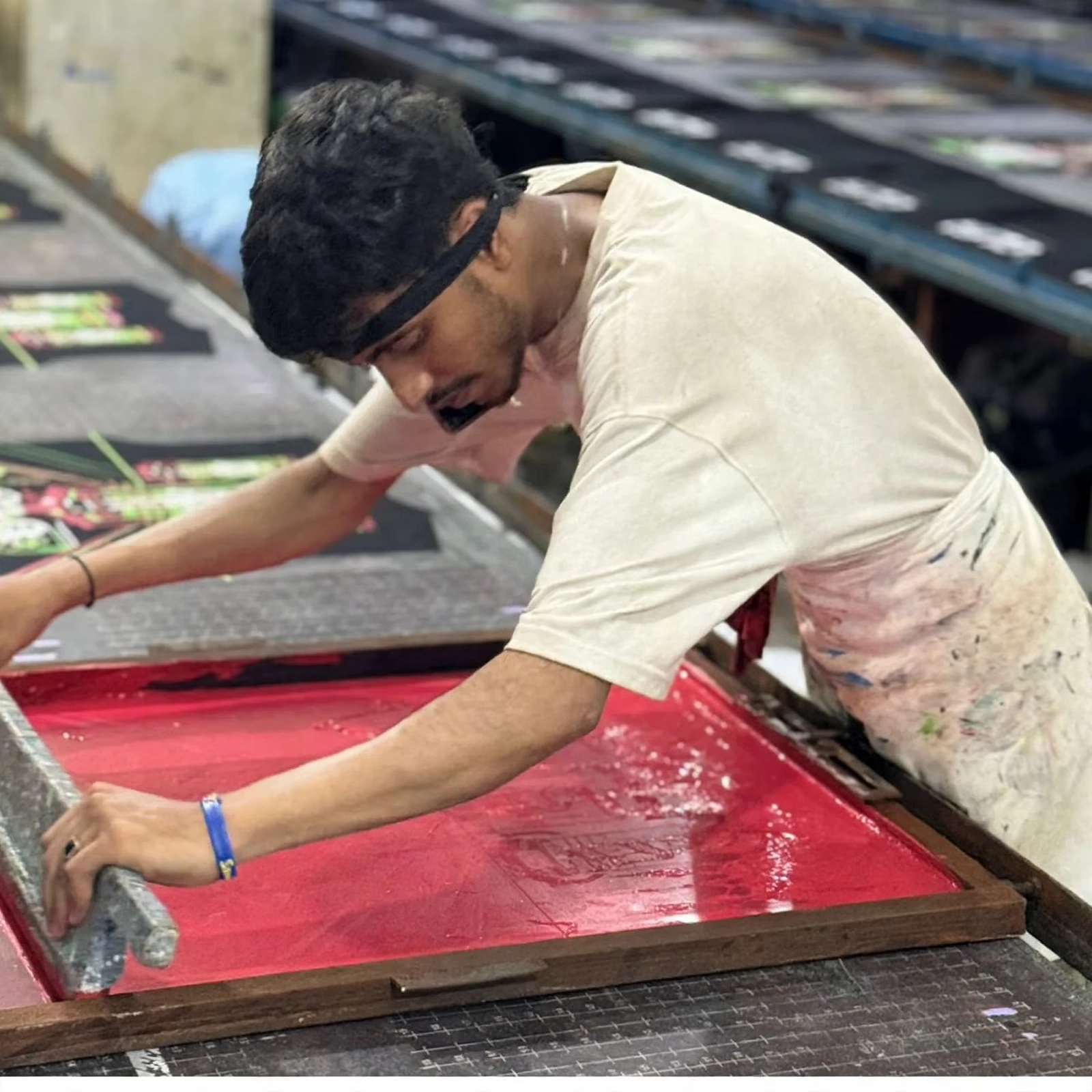
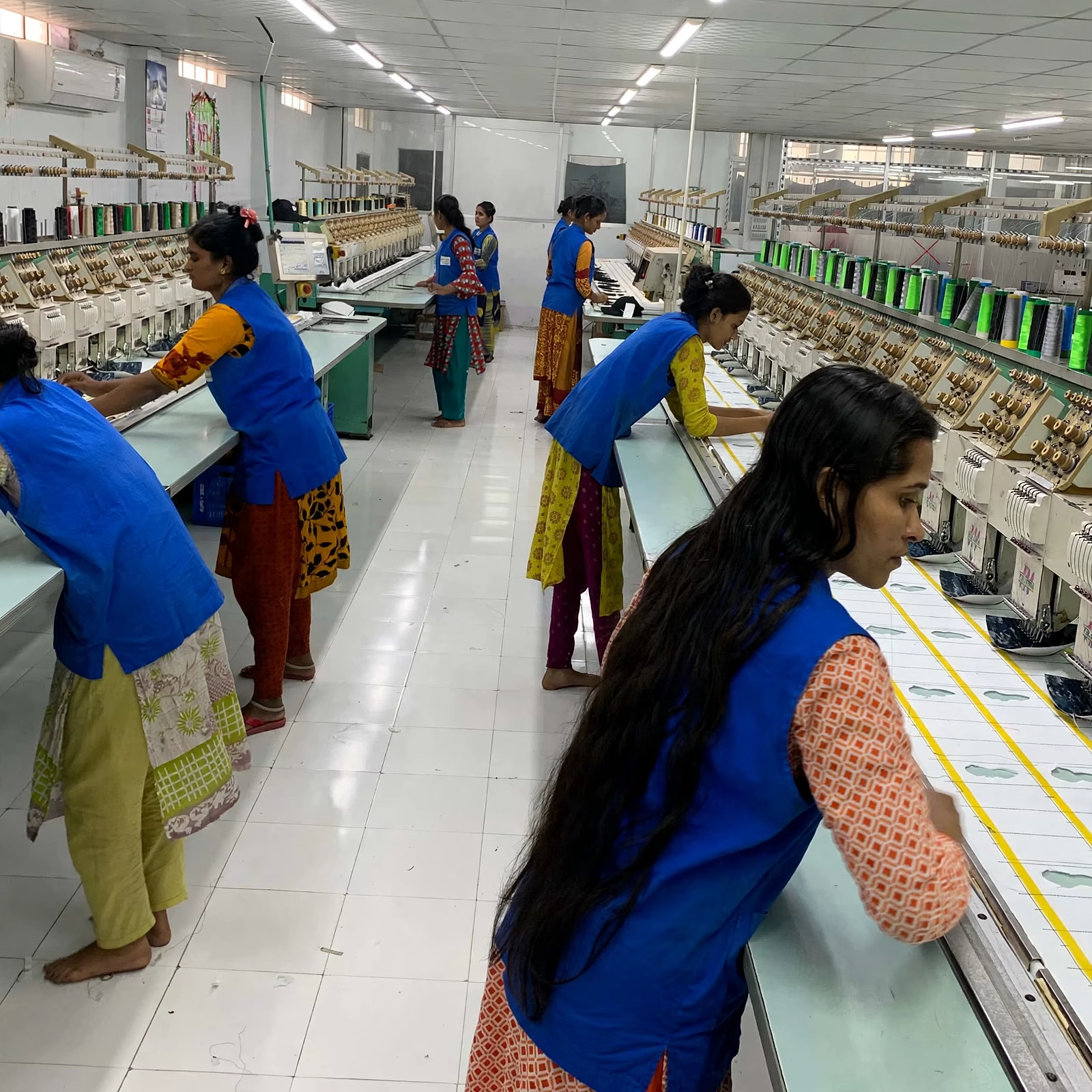
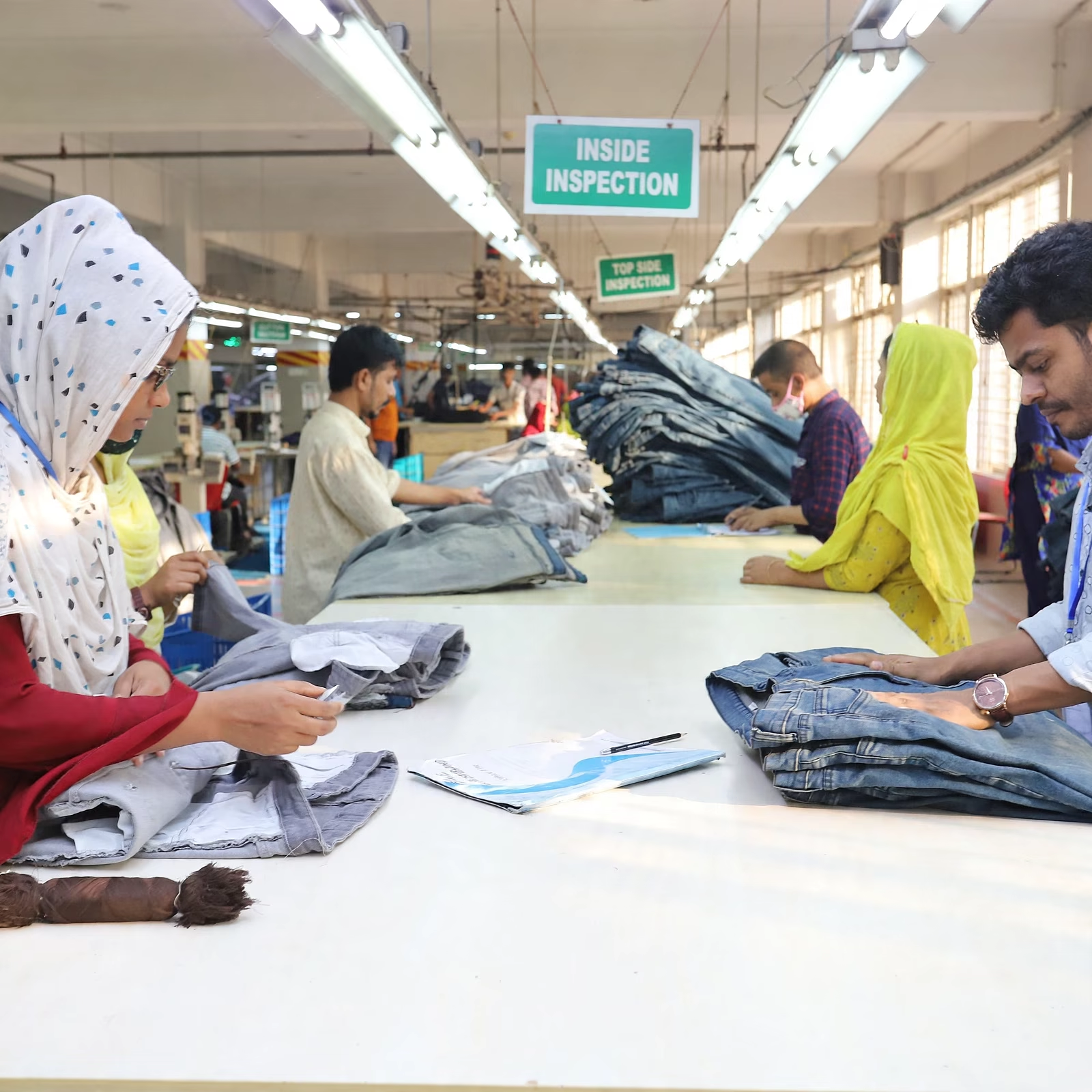
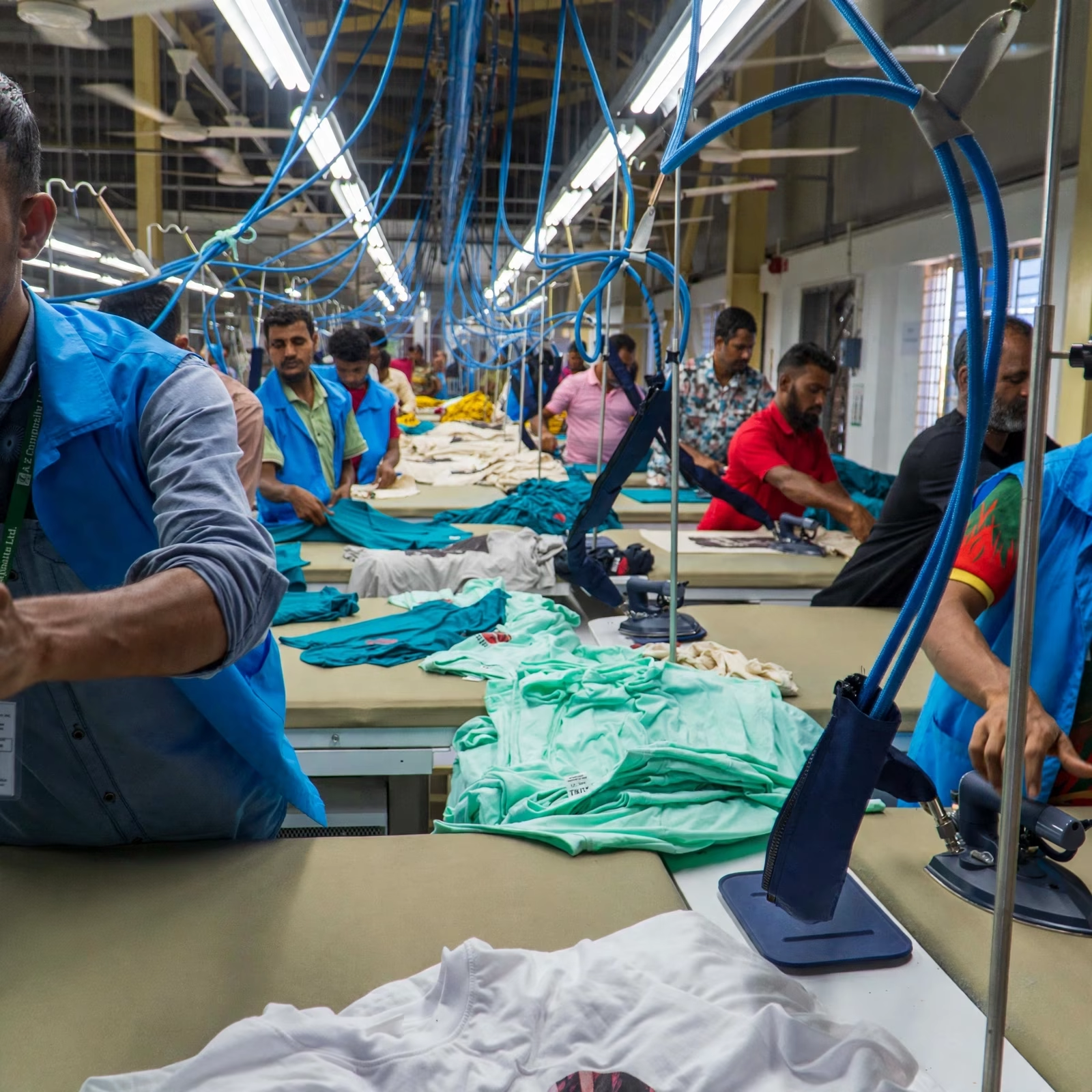
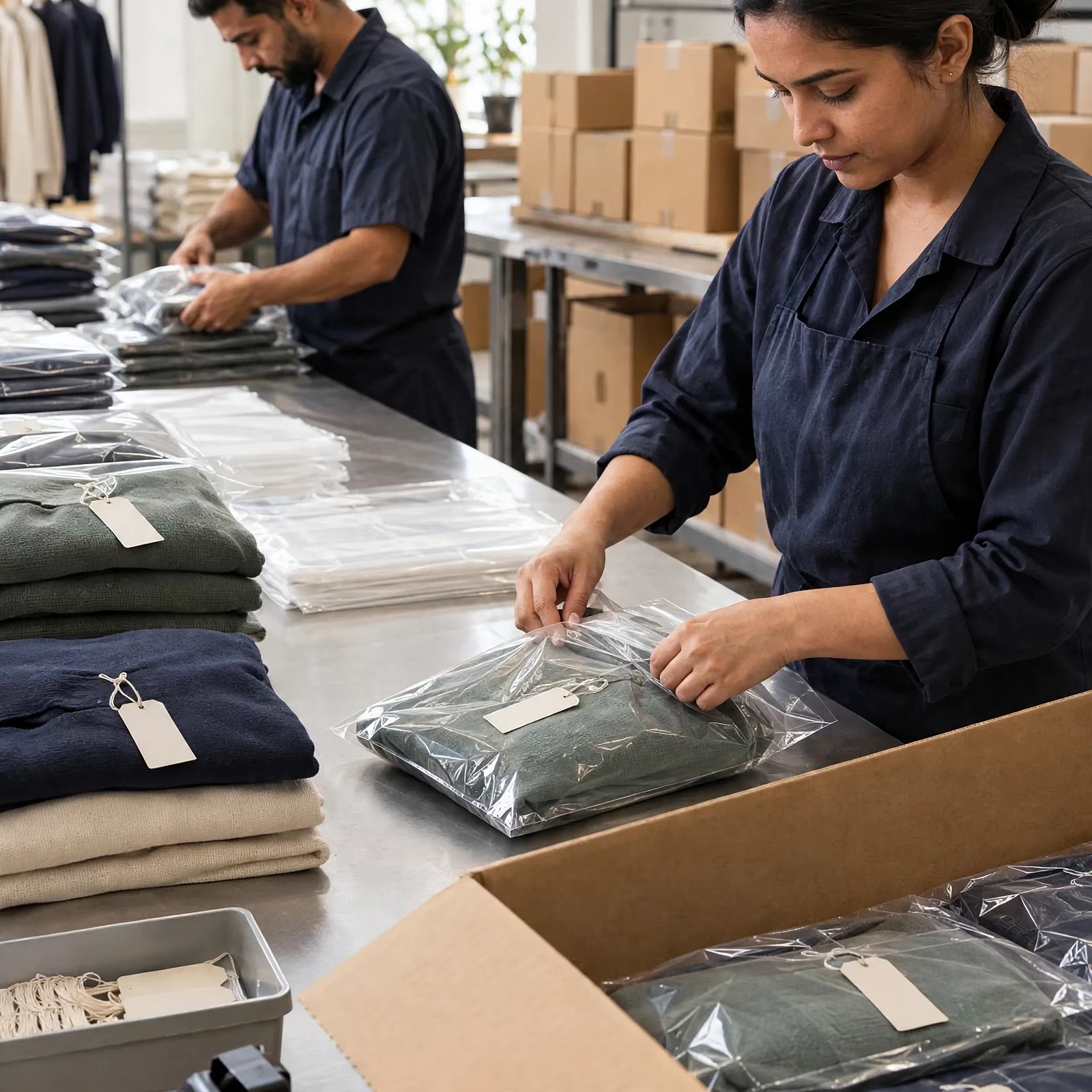
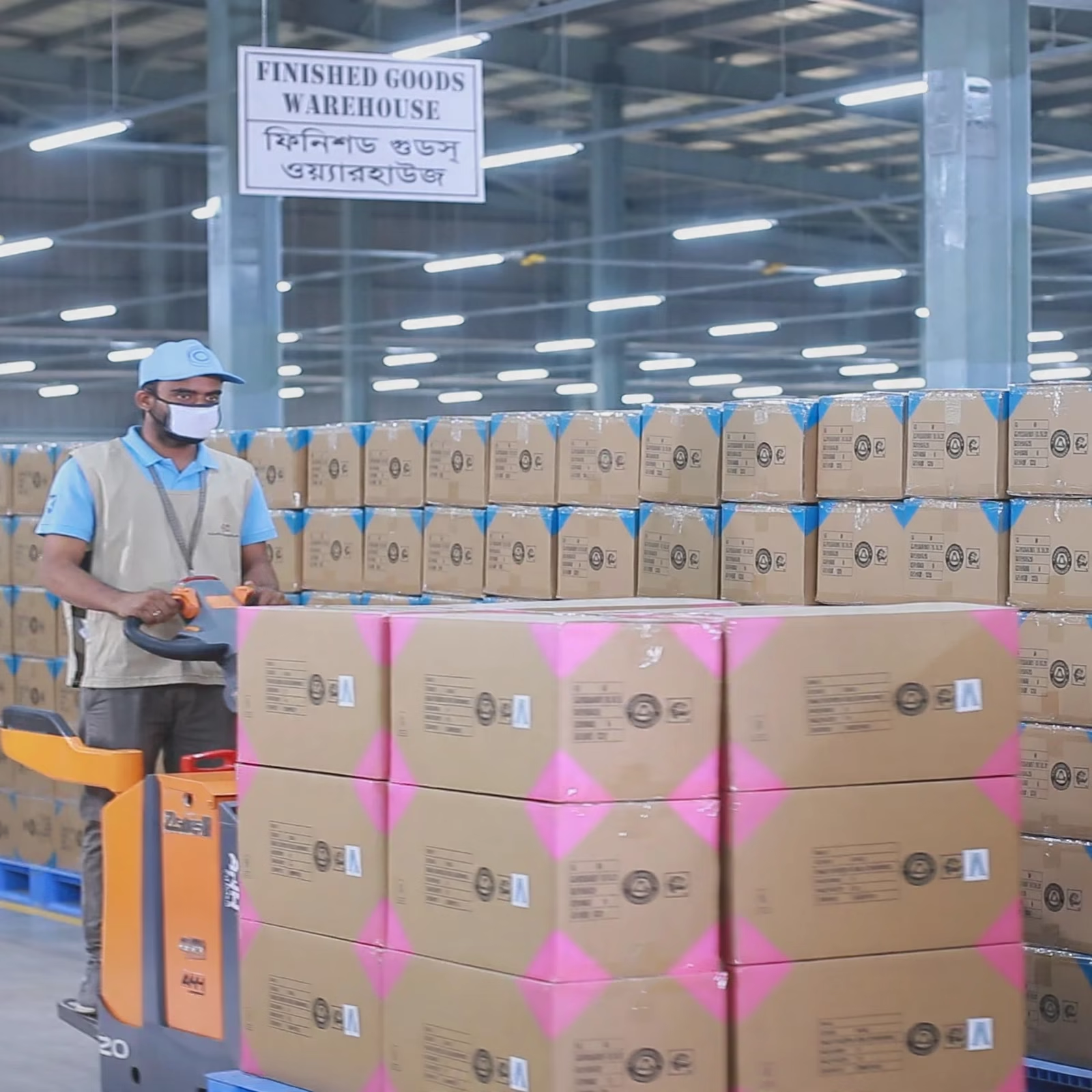
Photographs from the production floor, department by department, so you can see where an order is made before you place it: from the fabric store and the inspection machines to the sewing lines, the finishing tables and the finished goods warehouse.
Buyers we serve, and the service around the making
The factory serves:
- Clothing brands building their own label ranges
- Importers and wholesalers who supply retail chains
- Promotional companies needing printed garments for campaigns
- Workwear suppliers
Some buyers order one style in depth; others build a full seasonal range. Both are handled the same way, through our garment manufacturing services, which cover sampling, private labelling, custom packing and export preparation as one joined-up service.
Private label work is a large part of what the factory does. Woven neck labels with the buyer’s own brand, care labels, hang tags and custom packaging are applied during production, so garments arrive ready for the buyer’s shelves. The buyer owns the design at every stage; the factory’s job is to make it faithfully.
Everything is made to your level: your quality, your fabric, your design and your measurement, and that principle runs from the first sample to the last carton.
Why buyers choose a factory in Bangladesh
Bangladesh has built its name on knitwear. Generations of machinists, pattern makers and finishers have grown up with jersey and fleece, and that depth of skill is hard to copy elsewhere. For a buyer, it means complicated styles and large size ranges are handled by people who have made similar garments many times before.
The country also offers a complete supporting trade around the factory: yarn and fabric suppliers, dyeing and finishing houses, printing and embroidery units, and export services that move cartons to ports and airports daily. A buyer ordering here buys into that whole network, organised through one factory contact.
Above all, buyers return because the relationship works at a distance. Clear sampling, honest answers, checked packing and steady communication make it possible to build a range with a factory across the world and stay in control of the result.
Frequently asked questions
What should buyers in Germany send with a first enquiry?
A tech pack is ideal, but a sample garment, clear photographs and a size chart are enough to begin. Tell us the fabric, colours, quantities per style and the label and packing you want, and the team will ask about anything unclear before sampling starts.
Can buyers in the USA use their own labels and packing?
Yes. Your woven neck label, care labels, hang tags and packing format are applied during production, so the garments arrive ready for your own sales channels. Send your artwork with the tech pack so it can be approved alongside the garment sample.
How is quality checked before the cartons are sealed?
Finished garments are measured against your size chart, inspected for stitching, colour and cleanliness, and checked again at packing. Anything failing a check is put right or removed before the carton is closed.
Can we begin with samples before committing to a full range?
Yes, that is the normal way to start. Samples are made to your specification first, and only after you approve them does a production order go ahead.