
Men Underwear Manufacturers in Bangladesh
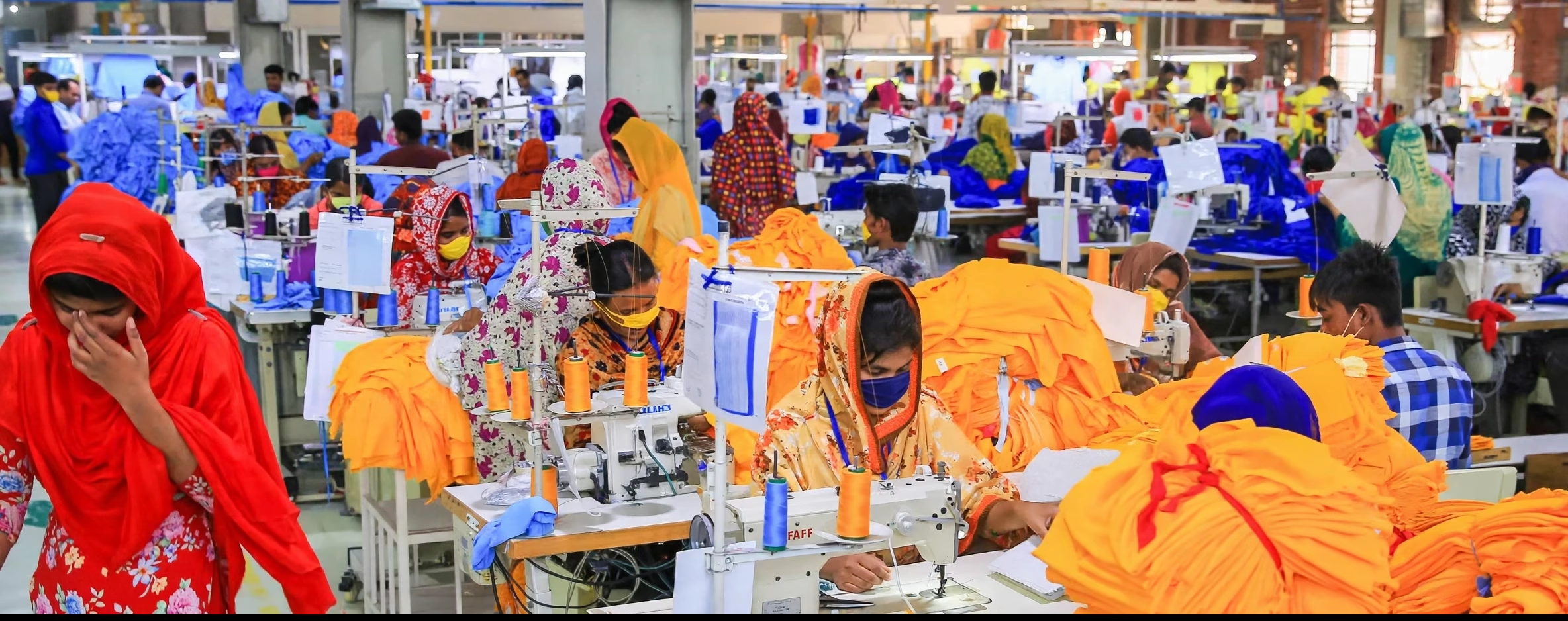
Men Underwear Manufacturers in Bangladesh and the ranges they run
Buyers comparing men underwear manufacturers in bangladesh are usually building a basics programme, not chasing a single novelty style. The core range is stable season after season: briefs, boxer briefs, trunks, boxer shorts and vests, with singlets grouped alongside vests as the upper-body staple. A sound maker handles that whole set in cotton and cotton-rich knit, keeps measurements steady across repeat orders, and packs each style exactly as the retail programme requires.
Men’s underwear is a repeat business. The garment is small and the sewing operations are short, yet the tolerance for error is low. A waistband that rolls, a leg opening that rides or a pouch seam that irritates will end a programme faster than a late delivery. Buyers therefore judge a factory on consistency: the same pattern, elastic tension and shrinkage behaviour, order after order.
The core men’s range, style by style
Each style uses a different pattern balance, so buyers should check samples of every style in the programme, not only the highest-volume line.
- Briefs are the most fabric-efficient style and the most sensitive to elastic quality. The leg and waist elastic carry the fit, the front pouch needs shaped construction rather than a flat panel, and the rise must be graded carefully.
- Boxer briefs add a leg tube that must grip without constricting. Leg length, hem finish and pouch shape all interact, so pattern work matters more here than in any other style.
- Trunks sit between briefs and boxer briefs, with a shorter leg and a lower rise. The shorter tube leaves less room for error in leg tension, and the style is often chosen for multipack programmes where three colours share one pattern.
- Boxer shorts are the loosest style, made in knit for most basics programmes rather than in woven cloth. Fly construction, an elasticated waist with a soft inner finish and side seam placement decide whether the garment feels finished or makeshift.
- Vests and singlets complete the set. A ribbed vest needs clean binding at the neck and armholes, controlled length and a fabric weight that holds its shape after washing.
Why cotton knit production suits this category
Bangladesh built its export strength on cotton knit, and men’s underwear sits squarely inside that strength. The country has a vertical knit supply chain in one place: spinning, knitting, dyeing, finishing and sewing are all available within the same production base, so a factory is not importing basic single jersey or rib for every order. Shorter fabric routes mean fewer shade breaks between batches and simpler fault tracing.
The fabrics themselves are familiar ground. Single jersey with elastane gives the stretch and recovery that boxer briefs and trunks need, typically in blends where a small elastane share, often around five per cent, supports the cotton hand feel while holding shape. Rib serves vests and brief bodies, interlock appears in smoother premium lines, and waistband elastic is sourced as a specialist component, bought to a specified width, tension and fibre mix. Experienced factories test each elastic delivery for stretch and recovery before it reaches the sewing line.
Cost structure helps as well, though it should never be the only argument. Knit basics are labour-sensitive rather than fabric-heavy, and a base organised around high-volume knit sewing handles the many small operations efficiently. A buyer searching under the term mens underwear factory bangladesh will find everything from very large groups to small specialist units, and the fabric story is the first filter: a maker without secure knit and elastic supply cannot promise stable repeat quality.
Three kinds of maker behind the supply base
The supply base falls into three broad kinds, and each suits a different buyer. Large knit groups run underwear as one line inside a wider knitwear operation. Their strength is fabric security and volume: in-house knitting and dyeing, many sewing lines and established compliance systems. Their weakness, for a mid-size programme, is priority, because a small underwear order competes with very large t-shirt and fleece programmes for line time.
Intimates specialists take the opposite position. Underwear and related basics are their core work, so their pattern libraries, pouch constructions, elastic handling and packing routines are deeply practised. A specialist usually offers the most useful advice on waistband options, multipack formats and size ratios. Capacity is smaller than a group’s, but focus often matters more than raw scale here.
The third kind is the export processing zone factory, operating inside designated industrial areas with streamlined customs arrangements and long-standing basics programmes for overseas labels. Alongside these kinds sit trading intermediaries: a trader may coordinate an order well, but the sewing factory behind the trader is the maker whose compliance, capacity and quality system the buyer is really relying on, as the wider background in who manufactures underwear explains.
Waistbands, branding and multipack presentation
Private label work is where men’s underwear becomes a branding exercise, and the waistband carries most of it. Jacquard elastic weaves the brand name or motif directly into the band, giving the most durable result, with a minimum quantity set by the elastic weaving run. Printed waistbands place the artwork on a plainer elastic, which suits shorter runs and frequent artwork changes. Woven labels, heat-transfer marks, printed size information and branded hang tags complete the set, and each option has a different cost and lead time that the factory should state openly at sampling stage.
Packing is part of the product, not an afterthought. Multipack packing dominates the category: two-pack, three-pack and five-pack formats in polybags, card inserts, header cards or boxed sets, with size and colour ratios fixed by the buyer’s retail plan. Barcode stickers, care information and fibre content must match the destination market’s rules, and the finishing section should work from a written packing instruction checked against a sealed sample pack. Buyers developing a label alongside a women’s programme can compare approaches on the page covering women’s underwear manufacturers in Bangladesh.
Artwork discipline prevents most branding faults. The buyer supplies vector artwork and colour references; the factory returns a strike-off or finished elastic sample for approval; and no bulk elastic is woven or printed until that approval is recorded.
Sizing, grading and keeping every size true
Men’s underwear sizing looks simple from outside, usually running from small to extra large, yet grading is precise work. Each size step changes the waist, hip, rise, leg opening and pouch dimensions by set increments, and the elastic must be cut and joined to a length that gives the specified relaxed and extended waist measurements for that size. If grading is treated casually, the medium measures as intended while the small is tight and the extra large is loose.
Consistency is controlled by measurement, not opinion. A disciplined factory works to a tolerance table, measures garments from every size at defined stages, and records the results so a repeat order can be compared with the previous one. Shrinkage allowances are built into the pattern after fabric testing, so the garment measures correctly after washing rather than only on the factory table.
Construction details that separate a sound garment from a poor one
Quality in this category hides in small construction choices. Pouch construction is the first: a shaped, double-layer pouch with smooth inner seams gives support and comfort, while a flat single panel with a hard centre seam marks a garment built down to a cost. Flat seams, produced on flatlock machines, are the preferred finish at leg openings, pouch joins and side seams on boxer briefs and trunks. Coverstitch hems should sit even, without skipped stitches or wavy edges, and bartack reinforcement belongs at stress points such as fly ends.
- Elastic performance: the waistband should stretch to the specified extension and return without bagging, even after repeated washing.
- Shrinkage control: fabric is tested before cutting, allowances are set from the result, and finished garments are wash-checked so length and width stay inside tolerance.
- Shade continuity: body fabric, rib, binding and elastic must read as one colour under standard lighting, including inside a multipack.
- Needle and stitch quality: correct needle size for knit fabric prevents holes along seam lines, a fault that often appears only after washing.
- Clean finishing: no loose threads, oil marks, distorted printed marks or misaligned labels should pass the final audit.
Together these points form the ordinary discipline of a competent basics factory, and a buyer can verify most of them from a sample set and a written checking routine. The compiled overview on the top 10 underwear manufacturers in Bangladesh page shows how differently makers present their strengths, which is useful background before a shortlist is fixed.
How a made-to-order men’s programme runs, including at Siatex
A made-to-order order follows a clear sequence. The buyer sends the specification: styles, fabrics, colours, size range, waistband artwork, packing format and quantities per size and colour. The factory prices the programme and makes samples in the actual fabric and elastic for measurement and quality approval. Samples are billed, which keeps that stage serious on both sides. After approval, fabric is dyed to standard, tested for shrinkage and cut; sewing, finishing, measurement checks, packing and a final audit follow.
Siatex Bangladesh Limited works in exactly this way. It is a knitwear manufacturer and exporter, making to order since 1987, with production in Bangladesh and a capacity of 900,000 pieces per month across its knitwear ranges, which include underwear alongside t-shirts, polo shirts and other knit basics; the full category is set out on the underwear page. Every order is made to your level: your quality, your fabric, your design and your measurement. The minimum is 800 pieces per colour and 3,000 pieces per order, with mixed styles and colours allowed inside that order total, and production takes 30 to 60 days for basic fabrics once samples are approved. No prices are listed, because each programme is quoted on its own fabric, elastic, branding and packing specification.
The compliance record is documented on the certifications page and covers BSCI, Sedex, ISO and OEKO-TEX standards. For a buyer comparing gents underwear manufacturers on process rather than promises, the practical route is to follow the steps on how to order, send one style first as a trial, and judge the samples and measurement reports before widening the range. Further background reading sits on the blog.
Reading the four markets in this rotation
Demand patterns differ across the markets named on this page, and a flexible factory adjusts the programme rather than forcing one format on every buyer. Greece brings steady basics orders from importers and regional labels, often with strong multipack emphasis. Hungary serves both domestic retail programmes and onward distribution, with buyers who specify European labelling and size conventions in detail and value stable repeat supply over frequent style change.
The USA brings high multipack volume, firm barcode and packaging rules and size ranges that can extend wider than European sets. Australia orders against opposite seasons, so its production windows fall differently through the year, and its programmes often combine vests with briefs and boxer briefs in one shipment.
For buyers in any of these markets, the shortlist method is the same: start with category fit, check fabric and elastic supply, study samples from every style, and confirm measurement and packing discipline in writing. Readers looking for male underwear suppliers bangladesh wide will find the same checks apply, because distribution programmes fail on the same faults as retail ones: inconsistent sizing, weak elastic and careless packing.
Men’s underwear sourcing: questions buyers ask first
Which men’s styles can one factory make in a single order?
Briefs, boxer briefs, trunks, boxer shorts and vests can normally sit inside one order, provided the combined total reaches 3,000 pieces and each colour reaches 800 pieces. The size and colour breakdown for each style is fixed in writing before fabric is dyed.
How is waistband branding arranged for a private label?
The buyer supplies artwork and colour references, then chooses jacquard elastic for a woven-in name, printed elastic for shorter runs, or a plain band with a woven label or heat-transfer mark. A sample of the finished elastic is approved before bulk production.
What fabric is most common for men’s briefs and boxer briefs?
Cotton single jersey with a small elastane share is the usual choice, because it combines a natural hand feel with the stretch and recovery the styles need. Rib is common for vests. The exact weight and blend are set in the specification and checked at sampling.
How long does a men’s underwear order take?
For basic fabrics, production takes 30 to 60 days after sample approval, with sampling completed first and billed as a separate stage. Programmes needing specially woven jacquard elastic should allow extra time at the start, because the elastic run sits ahead of sewing.
How can a buyer check sizing consistency before committing to a large programme?
Ask for a full size set, not a single medium sample, measure every size against the tolerance table, then wash the garments and measure again. A modest trial order confirms the system before volume grows.